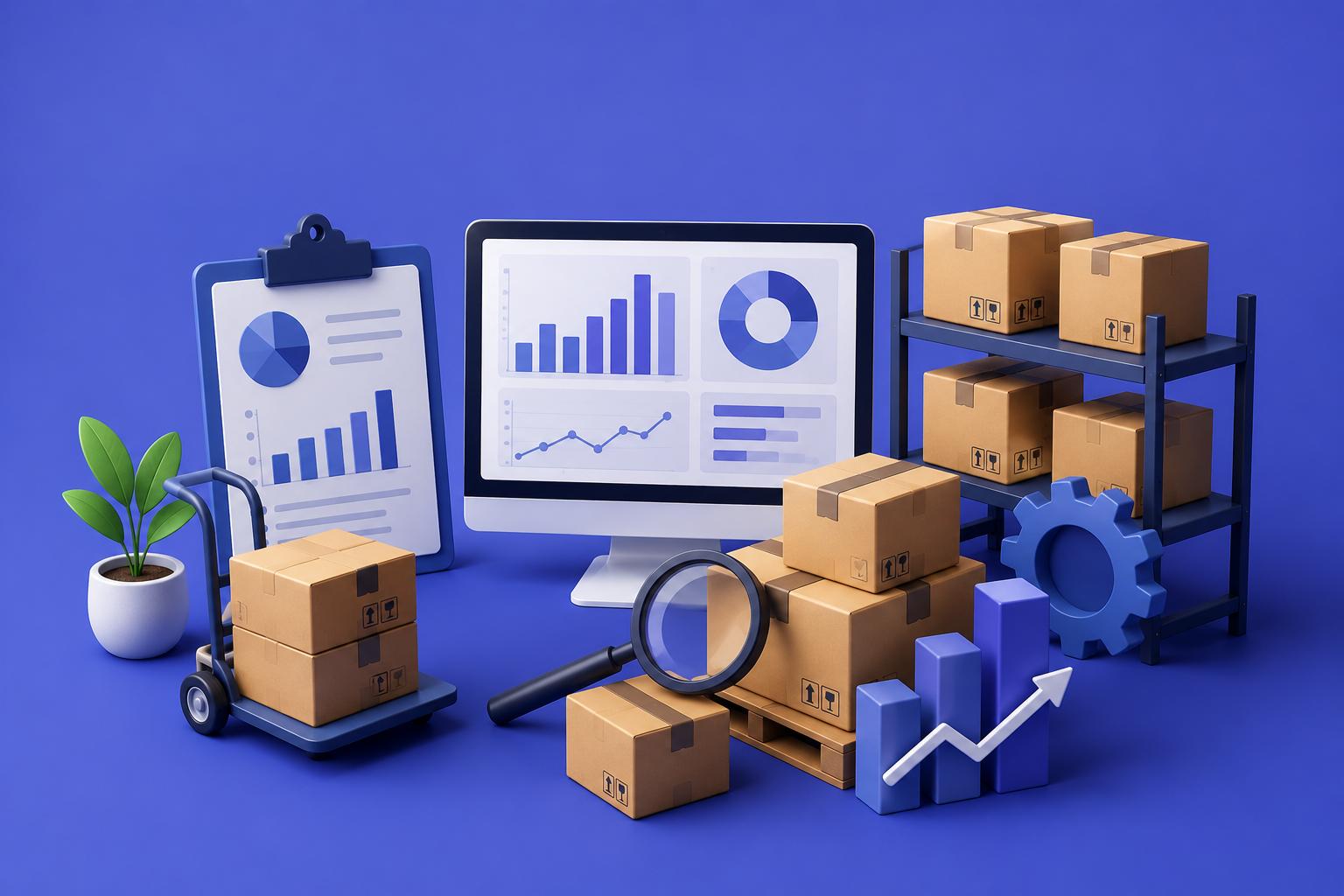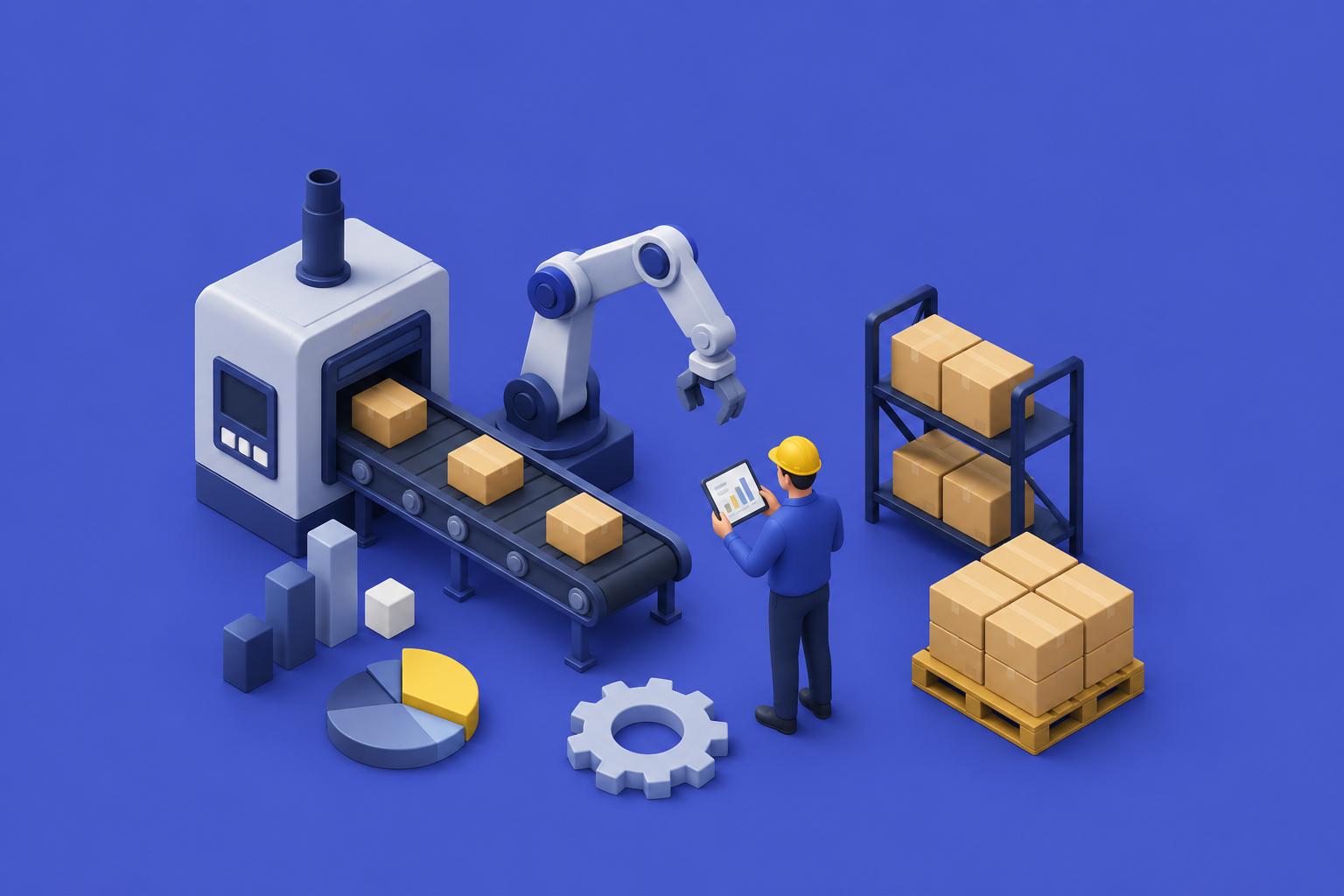
Efficient production management is one of the most important factors for any manufacturing business. Properly coordinating raw materials, production schedules, inventory, and customer orders helps reduce costs while increasing productivity. An ERP (Enterprise Resource Planning) system brings all these processes together into a single platform, giving businesses complete visibility and control over their production operations.
📋 Centralized production planning
An ERP system enables businesses to plan and manage all production activities from a centralized dashboard. Managers can create production orders, prioritize tasks, allocate resources, and adjust schedules based on demand or operational changes.
This centralized approach minimizes delays, prevents scheduling conflicts, and ensures that production workflows remain organized and efficient.
📦 Raw material and inventory management
Running out of raw materials can bring production to a halt. An ERP system provides real-time inventory tracking, allowing businesses to monitor stock levels and anticipate material requirements before shortages occur.
The system automatically alerts users when inventory reaches critical levels and helps optimize purchasing decisions, reducing both stock shortages and excess inventory costs.
⚙️ Real-time production monitoring
Throughout the manufacturing process, an ERP system records every production stage. Managers can monitor work orders in real time, identify completed tasks, track products currently in production, and quickly detect delays or bottlenecks.
Having immediate access to accurate production data allows businesses to make faster decisions and resolve issues before they impact delivery schedules.
📊 Accurate production cost analysis
One of the greatest advantages of an ERP system is its ability to calculate production costs with precision. It combines expenses related to raw materials, labor, machinery, and operational overhead into a comprehensive cost analysis.
This detailed financial insight helps businesses evaluate product profitability, identify opportunities for cost reduction, and make informed pricing decisions.
🔄 Improved collaboration across departments
Production does not operate independently. An ERP system connects manufacturing with purchasing, warehouse management, sales, finance, and customer service.
When information is updated in one department, it is instantly available across the organization. This seamless communication reduces manual work, minimizes errors, and improves collaboration between teams.
📈 Performance reports and business insights
Modern ERP systems provide powerful reporting and analytics tools that measure key production indicators such as manufacturing time, machine performance, production output, and quality metrics.
These reports enable managers to identify inefficiencies, monitor productivity trends, and make data-driven decisions that continuously improve manufacturing performance.
🚀 Conclusion
Organizing production through an ERP system helps businesses streamline operations, improve planning, reduce costs, and increase overall efficiency. By integrating inventory management, production planning, cost analysis, and cross-department collaboration into one centralized platform, ERP software creates a more agile and productive manufacturing environment.
Companies that invest in an ERP system are better equipped to respond to market demands, optimize resources, and consistently deliver high-quality products while maintaining a competitive advantage.
👉 Sign up for free and try all the features of eFluper.