📌 Introduction
As a business grows, its needs change rapidly. More customers, increased orders, larger teams, and more complex processes create new challenges. Many businesses start with simple tools, spreadsheets, and disconnected systems, but when the time for growth arrives, these often become obstacles rather than solutions.
This is where an ERP (Enterprise Resource Planning) system comes in — a comprehensive business management solution that connects all departments within a company through one unified platform. From sales and inventory to accounting and customer service, an ERP can completely transform the way a business operates.
Let’s explore how an ERP helps a company scale efficiently and build strong foundations for sustainable growth.
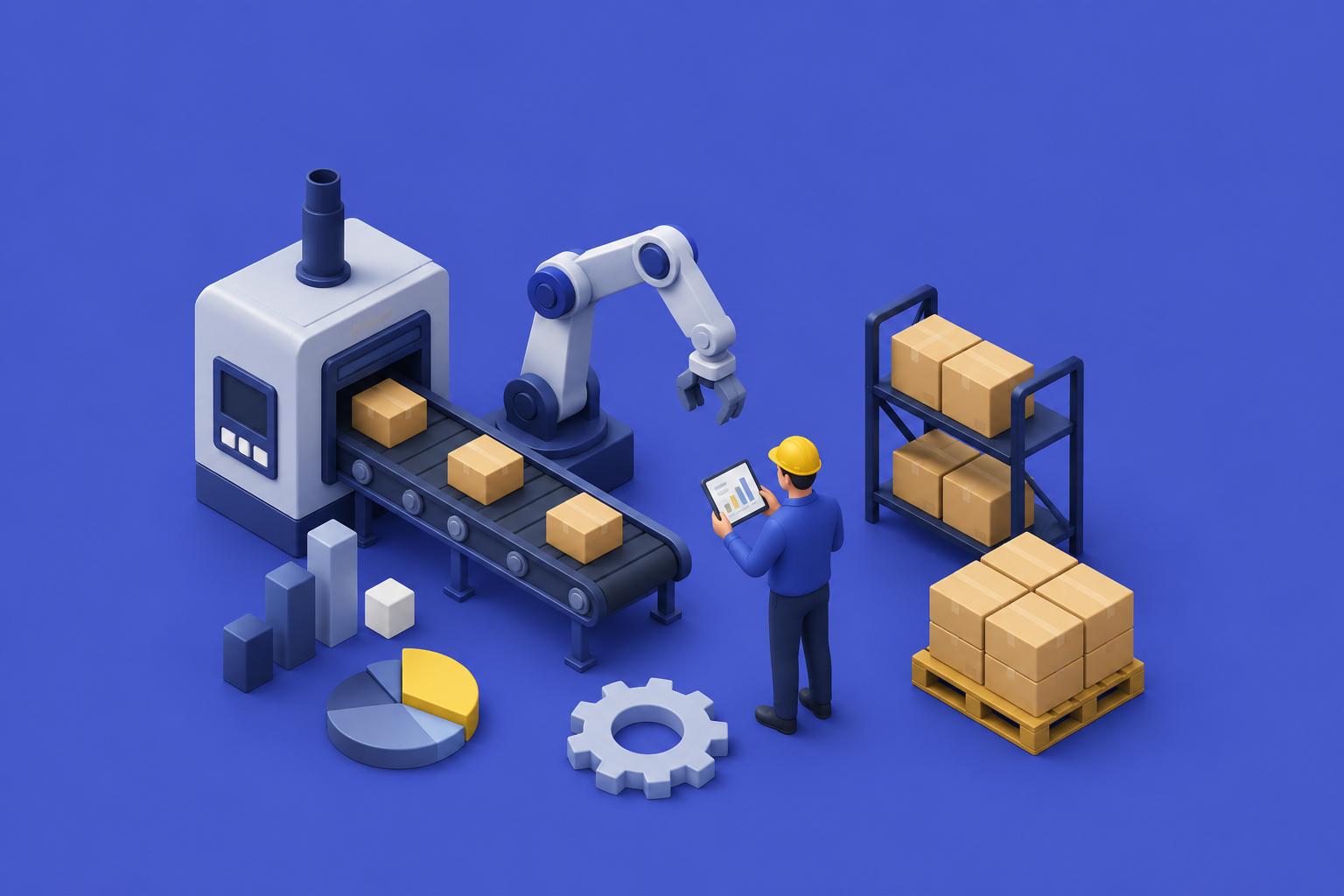
⚙️ Process automation
As a business expands, manual processes increase errors and reduce productivity. Tasks such as order entry, inventory updates, or invoicing can become time-consuming when handled without automation.
An ERP automates repetitive tasks and significantly reduces human error. For example:
Orders automatically update inventory levels.
Invoices are generated faster.
Financial reports are created in real time.
Teams collaborate without duplicate data entries.
This allows a business to manage a larger workload without dramatically increasing operational costs.
📊 A centralized business overview
One of the biggest challenges growing companies face is scattered data across different systems or files. Accounting may use one platform, sales another, and warehouse management something completely separate.
An ERP centralizes all business data into one environment, giving management full visibility of operations in real time.
With the right ERP, businesses can instantly know:
Which products are in highest demand.
Which customers are the most profitable.
Which departments generate higher costs.
The exact status of inventory and orders.
Access to reliable data leads to smarter and more strategic decision-making.
📈 Supporting growth without chaos
Many businesses struggle when they begin scaling rapidly. Increased customers and orders can create operational chaos if the right infrastructure is not in place.
An ERP provides structure and control. It enables companies to manage larger workloads in an organized and efficient way.
For example:
It can support multiple stores or branches.
It simplifies multi-warehouse management.
It supports multiple currencies and countries.
It allows faster onboarding of new employees.
As a result, growth becomes more stable and manageable without compromising service quality.
🤝 Improved collaboration between departments
In many organizations, departments operate in isolation. This often causes delays, poor communication, and lack of coordination.
With an ERP system, all departments work within the same platform and share the same information.
For example:
Sales teams can instantly check product availability.
The warehouse receives automatic updates for new orders.
Accounting has access to updated financial data.
Management can monitor team performance in real time.
Better collaboration leads to faster customer service and greater operational efficiency.
💰 Reduced costs and increased efficiency
An ERP is not just an organizational tool — it is also an investment that can significantly reduce operating expenses.
With the proper use of an ERP:
Order errors are minimized.
Unnecessary inventory purchases are reduced.
Employees save time on daily tasks.
Overall productivity improves.
Additionally, businesses can better forecast their needs and allocate resources more effectively.
This results in higher profitability and better use of human resources.
🔒 Data security and compliance
As a business grows, data security becomes even more critical. A modern ERP system provides enhanced data protection, user access controls, and secure information storage.
At the same time, it helps businesses comply with tax and regulatory requirements, reducing the risk of errors or penalties.
Proper data management strengthens business credibility and builds greater trust with customers and partners.
🌍 Preparing for the future
Technology continues to evolve, and businesses that invest in digital tools gain a strong competitive advantage.
An ERP system can integrate with:
E-commerce platforms
CRM systems
Marketing platforms
Data analytics applications
Cloud services
This means businesses can adapt more easily to changing market demands and continue growing successfully.
✅ Conclusion
Business growth does not depend only on sales or marketing. It also requires proper organization, efficient processes, and complete operational control.
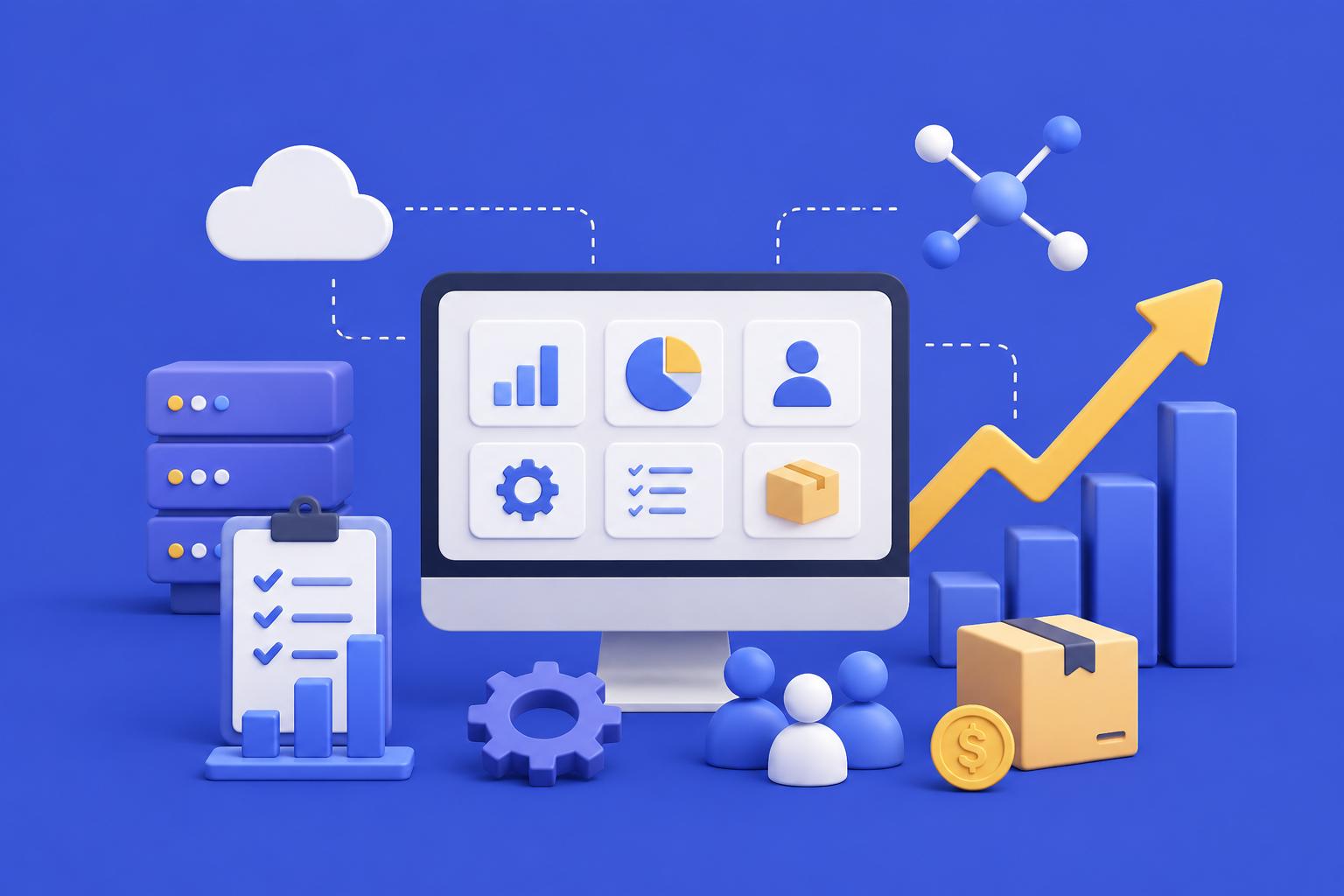
An ERP acts as the “heart” of a business by connecting people, data, and processes into one unified system. Through automation, improved collaboration, cost control, and real-time insights, it helps companies grow securely and sustainably.
In a world where speed and organization are essential, investing in an ERP is no longer a luxury — it is a strategic necessity for any business that wants to scale properly and remain competitive.
👉 Sign up for free and try all the features of eFluper.