🧩 What is an ERP?
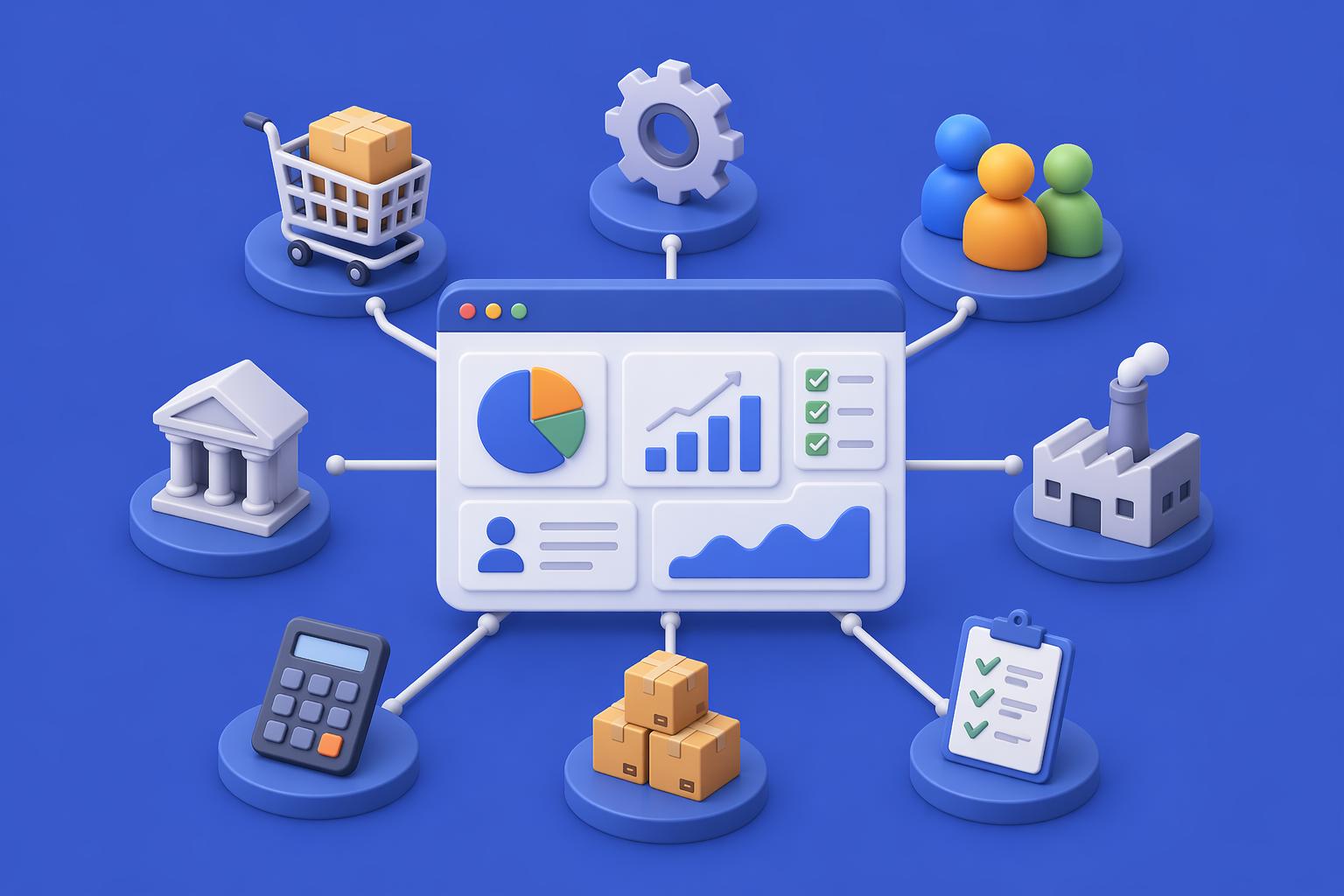
An ERP (Enterprise Resource Planning) system is an integrated software platform that centralizes all core business functions in one system. From accounting and sales to warehouse management, procurement, and human resources, everything is connected and updated in real time.
This integration is the first and most important step in reducing errors and saving time.
⚠️ Reducing human errors
One of the biggest problems in companies using separate systems or manual processes is data entry mistakes.
With an ERP:
Data is entered once and used everywhere
Double data entry is eliminated
Errors from copying or transferring data are reduced
For example, an order entered into the system automatically updates inventory and accounting without any additional actions.
⏱️ Time savings in daily tasks
Without an ERP, employees spend a lot of time on repetitive tasks: searching files, updating spreadsheets, and communicating between departments.
With an ERP:
All information is in one place
Reports are generated automatically
Processes run faster
This means less bureaucracy and more time for productive work.
🔄 Process automation
Automation is one of the most powerful advantages of an ERP.
Some examples:
Automatic invoice generation
Low-stock alerts
Payroll calculation without manual intervention
Automation reduces not only time but also the likelihood of human error.
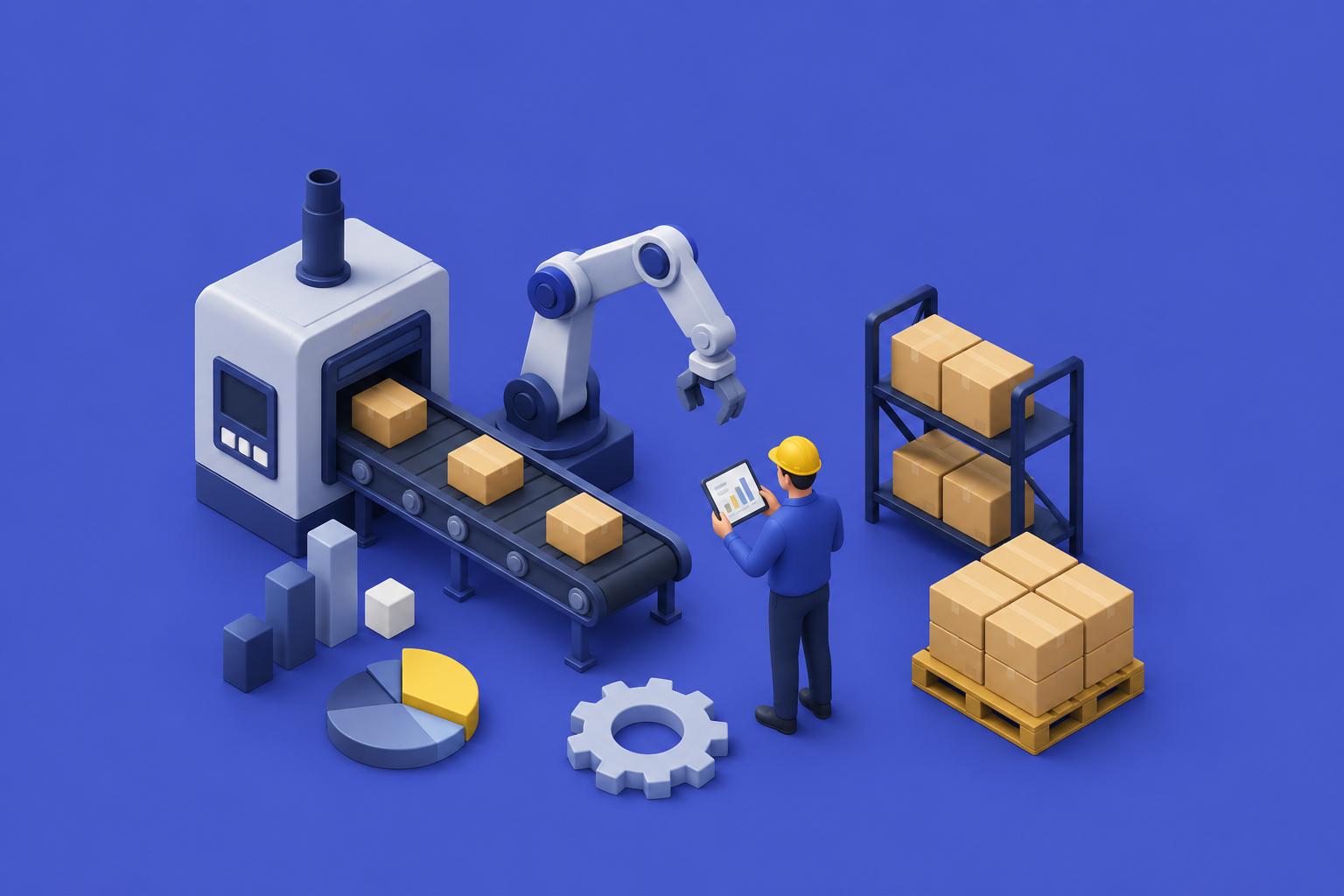
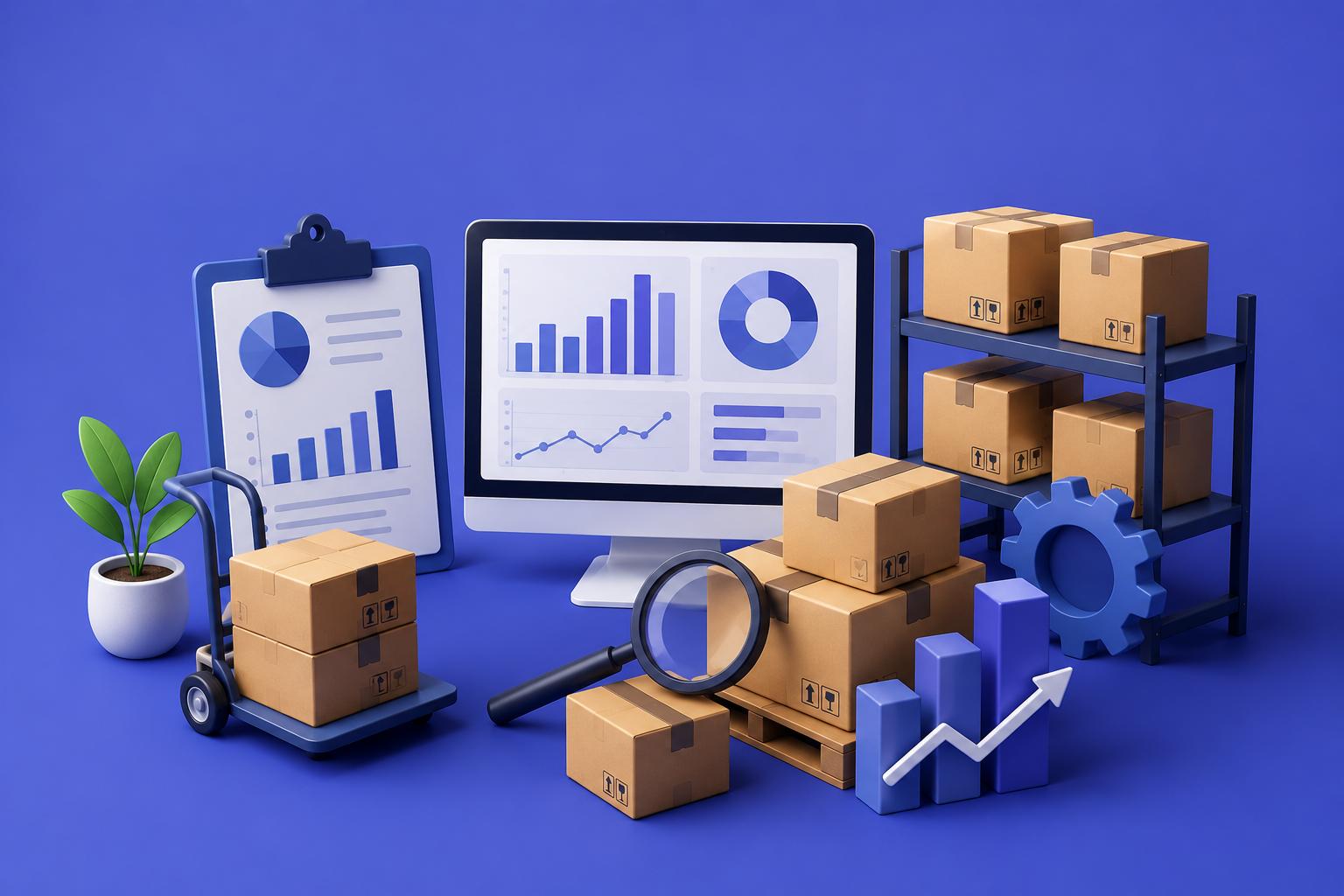
📦 Better inventory and resource management
Poor warehouse management often leads to shortages or excess stock. An ERP provides:
Real-time inventory visibility
Automatic replenishment alerts
Accurate demand forecasting
This allows the business to operate more efficiently and avoid unnecessary costs.
🤝 Improved collaboration between departments
When each department uses different tools, communication becomes difficult and time-consuming. With an ERP, all departments “speak the same language.”
This means:
Better information flow
Fewer misunderstandings
Faster decision-making
📈 Better decision-making
ERP systems provide real-time analytics and dashboards. Managers no longer rely on outdated or incomplete information.
This leads to:
Faster decisions
More accurate strategic planning
Better trend forecasting
🚀 Conclusion
An ERP is not just an organizational tool. It is a complete solution that transforms how a business operates.
It reduces errors, saves time, automates processes, and improves collaboration between departments. In a competitive business environment, adopting an ERP can be a key advantage for growth and efficiency.
👉 Sign up for free and try all the features of eFluper.