📌 Why efficient document management matters
In today’s fast-paced retail environment, managing business documents efficiently is essential for maintaining smooth operations and ensuring business growth. Retail stores generate a large volume of documents every day, including sales receipts, invoices, delivery notes, credit notes, and purchase orders. Handling these documents manually can lead to errors, delays, lost records, and increased administrative costs.
An Enterprise Resource Planning (ERP) system helps retailers centralize and automate document management processes, allowing businesses to improve accuracy, streamline workflows, and maintain compliance with regulatory requirements.
⚙️ What is ERP-based document management?
ERP-based document management refers to the creation, storage, tracking, and processing of all business documents through a single integrated platform. Instead of managing paperwork across multiple systems or departments, retailers can access all information from one centralized solution.
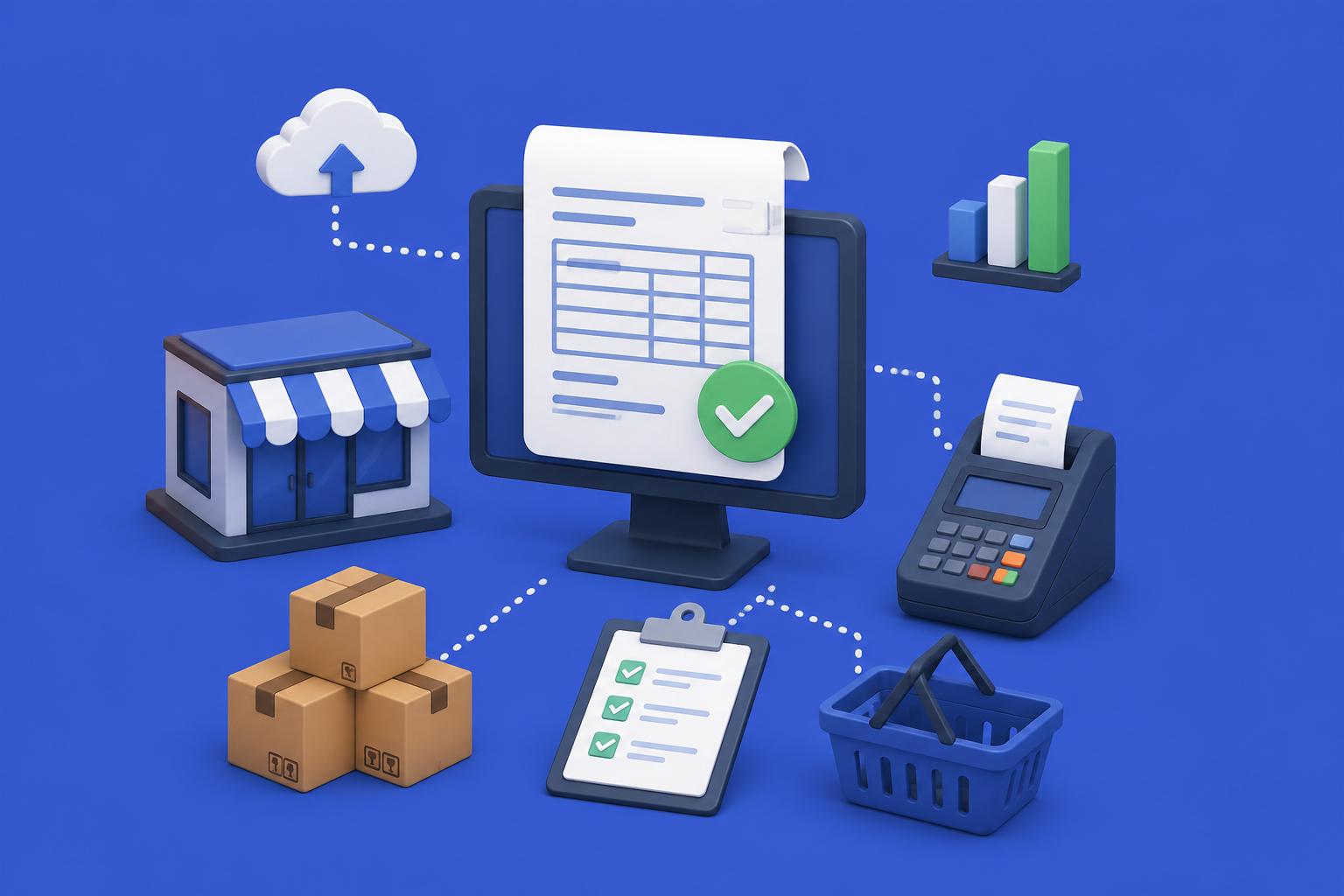
The ERP system automatically connects sales, inventory, purchasing, accounting, and customer management processes. Every document generated within the system instantly updates the relevant departments, ensuring data consistency and real-time visibility across the organization.
This integration eliminates duplicate entries, reduces manual work, and provides a clear overview of business operations.
🚀 Key benefits for retail businesses
✅ Reduced Human Errors
Manual data entry often results in mistakes that can affect inventory records, financial reports, and customer satisfaction. ERP systems automate calculations, tax processing, and document generation, significantly reducing the risk of human error.
⏱️ Improved Operational Efficiency
Employees spend less time searching for documents or entering information manually. With all records stored digitally in a centralized database, documents can be retrieved instantly, improving productivity and workflow efficiency.
📦 Real-Time Inventory Updates
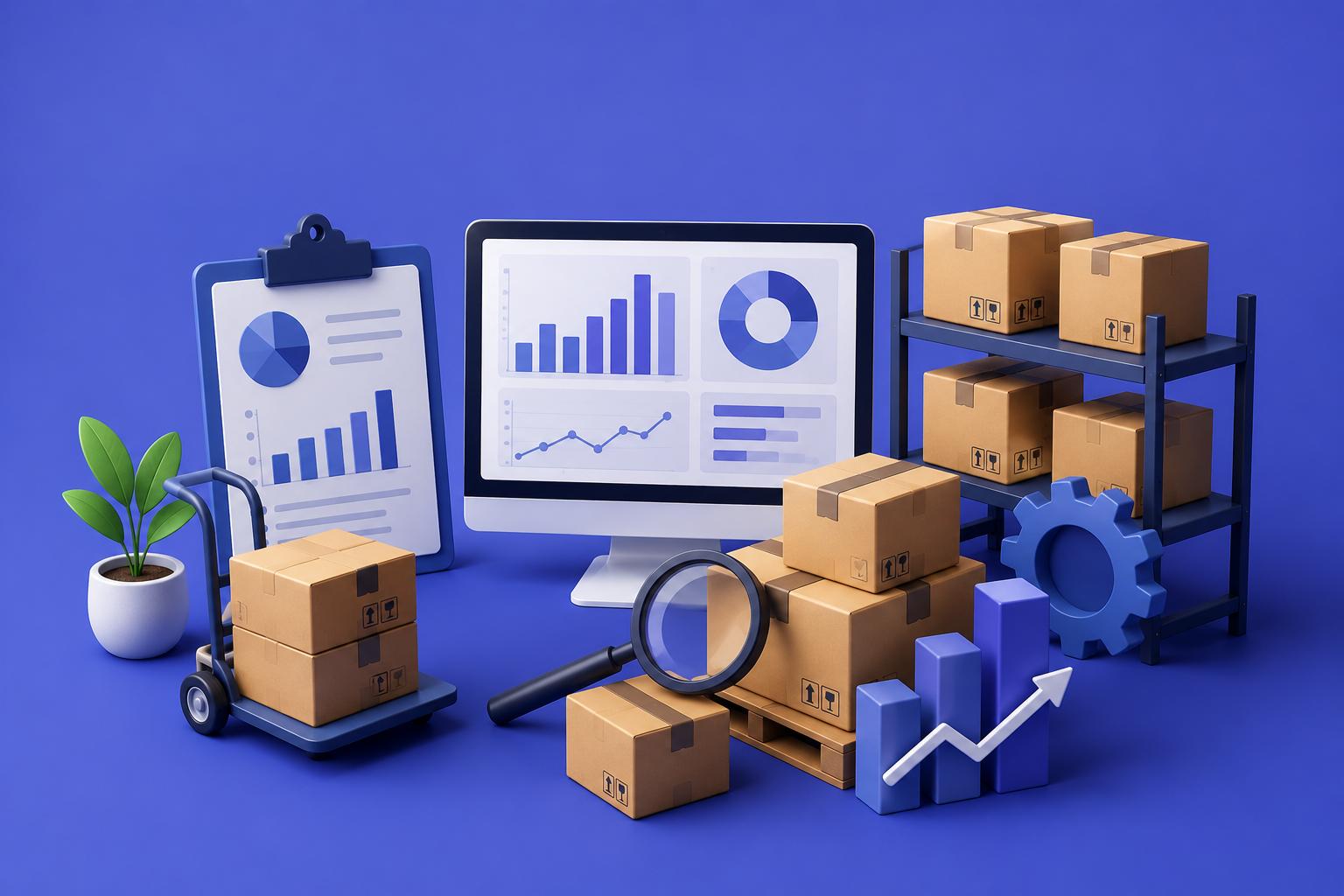
Every sale, return, or delivery automatically updates inventory levels. This allows retailers to maintain accurate stock records, avoid stockouts, and optimize purchasing decisions based on real-time data.
💰 Better Financial Control
ERP systems link invoices and receipts directly to accounting records, providing greater visibility into revenues, expenses, profits, and outstanding payments. Managers can make informed financial decisions based on accurate and up-to-date information.
🔄 Automation and system integration
Modern ERP solutions can integrate seamlessly with point-of-sale (POS) systems, e-commerce platforms, warehouses, suppliers, and electronic invoicing services.
This integration enables:
🛒 Automatic document creation from online orders.
📦 Instant inventory synchronization after every transaction.
📧 Electronic delivery of invoices to customers and suppliers.
🔍 Fast document search and retrieval.
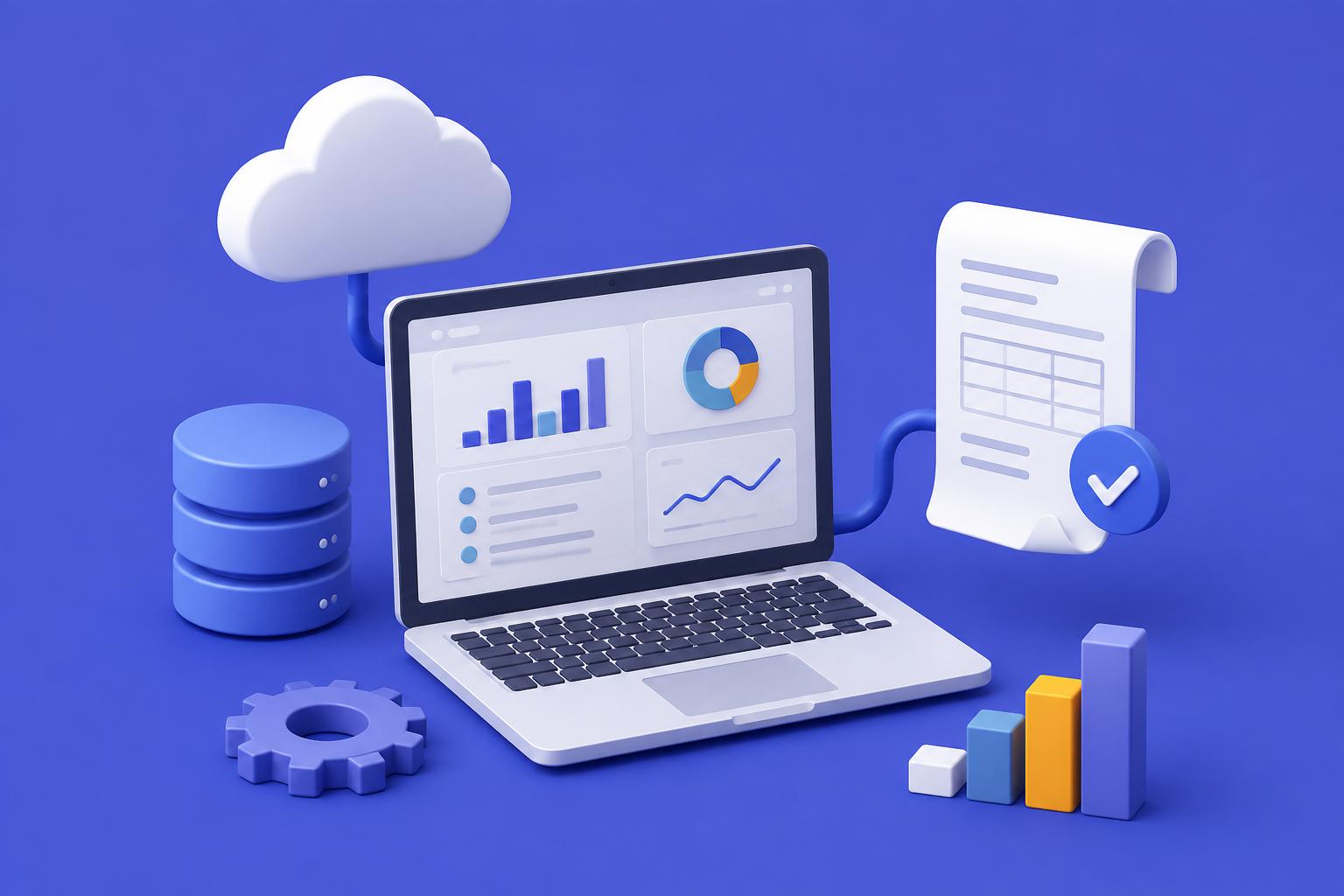
☁️ Secure cloud-based document storage.
📊 Real-time reporting and analytics.
By automating these processes, retailers can reduce administrative burdens while improving service quality and operational performance.
🛡️ Compliance and regulatory requirements
Retail businesses must comply with various tax and financial regulations, which often require accurate record-keeping and document reporting. ERP systems help businesses stay compliant by ensuring that documents are generated, stored, and processed according to current legal requirements.
Many ERP platforms support electronic invoicing and digital reporting, making it easier to meet government regulations and prepare for audits. Additionally, every transaction is recorded and traceable, providing complete transparency and accountability.
📈 Strategic advantages for retail growth
Beyond document management, ERP systems transform operational data into valuable business insights. Retail managers can analyze information from invoices, receipts, and sales transactions to identify trends and opportunities.
Key performance indicators that can be monitored include:
📉 Sales performance by product category.
👥 Customer purchasing behavior.
🏪 Store and branch profitability.
📦 Inventory turnover rates.
💹 Revenue and profit margins.
These insights support data-driven decision-making and help retailers respond quickly to changing market conditions.
🎯 Conclusion
Effective document management is no longer just an administrative task—it is a strategic business function. By implementing an ERP system, retail stores can automate document workflows, improve accuracy, strengthen compliance, and gain better control over their operations.
As competition in the retail sector continues to grow, businesses that invest in modern ERP technology are better positioned to increase efficiency, enhance customer satisfaction, and achieve sustainable long-term growth.
👉 Sign up for free and try all the features of eFluper.