📌 Introduction
In today’s fast-paced business environment, efficiency, accuracy, and real-time visibility are essential for successful logistics operations. Companies managing warehouses, inventory, transportation, and customer orders face increasing pressure to streamline processes while reducing operational costs. Enterprise Resource Planning (ERP) systems provide a powerful solution by automating critical logistics functions, enabling businesses to improve productivity and enhance customer satisfaction.
📦 Automated inventory management
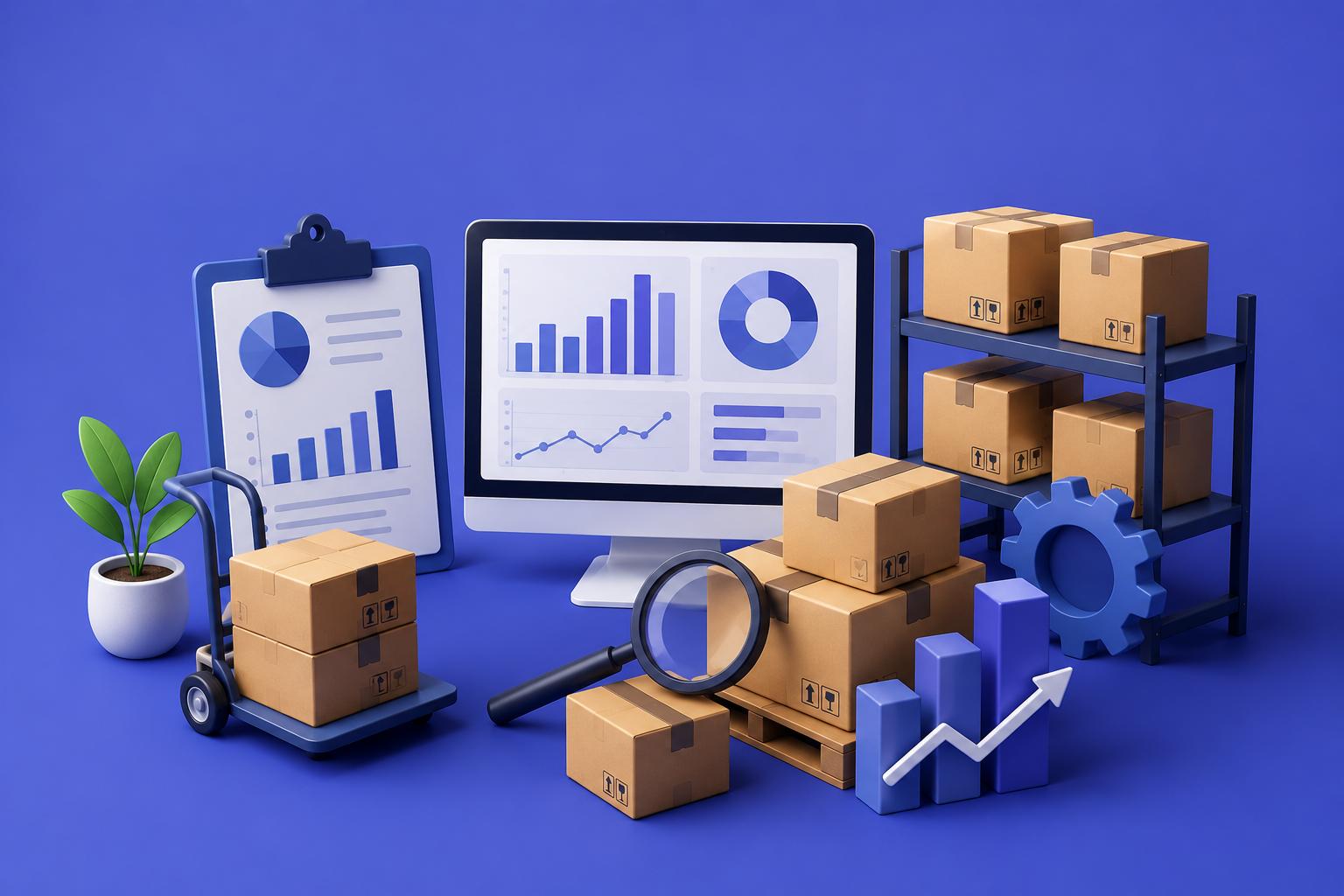
Inventory control is one of the most important aspects of logistics. ERP systems provide real-time visibility into stock levels across warehouses and distribution centers.
Key Benefits:
✅ Automatic stock updates after every receipt, transfer, or shipment.
✅ Reduced risk of stock shortages and overstocking.
✅ Improved demand forecasting and replenishment planning.
✅ Better inventory accuracy and traceability.
With automated inventory management, businesses can make faster decisions and maintain optimal stock levels at all times.
🚛 Order processing automation
Manual order handling can be time-consuming and prone to errors. ERP solutions streamline the entire order fulfillment process from entry to delivery.
How ERP Helps:
🔹 Automatically captures orders from e-commerce platforms and sales channels.
🔹 Updates inventory levels instantly.
🔹 Generates invoices, shipping labels, and delivery documents automatically.
🔹 Sends real-time order status updates to customers.
This automation reduces processing time, minimizes human error, and significantly improves customer experience.
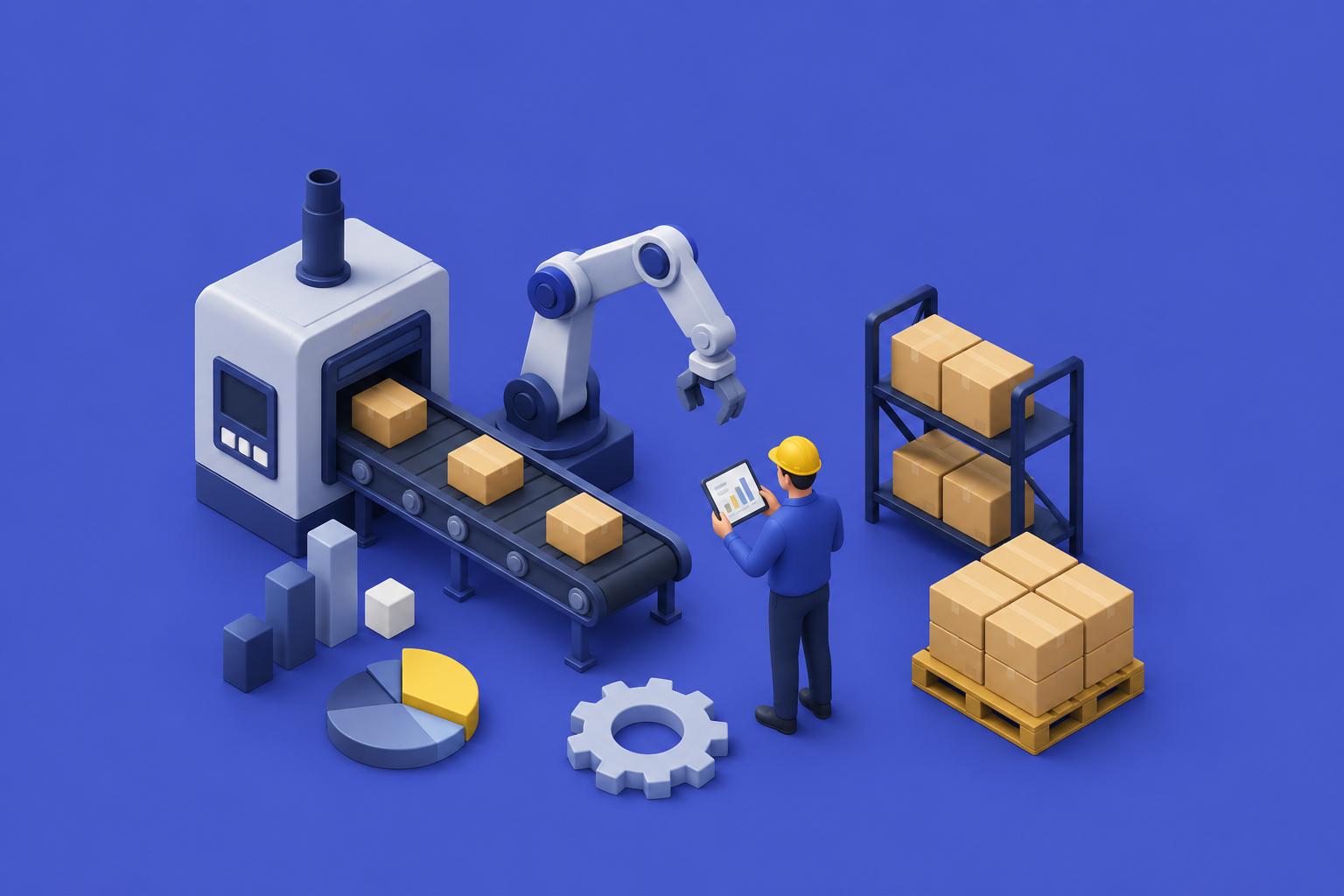
🏭 Warehouse operations optimization
The warehouse is the operational hub of any logistics network. ERP systems automate many warehouse activities to improve efficiency and accuracy.
Common Applications:
📍 Automated storage location assignment.
📍 Barcode and scanner integration for picking and packing.
📍 Real-time tracking of inventory movements.
📍 Reduced shipping and loading errors.
By automating warehouse workflows, businesses can increase productivity while lowering operational costs.
📊 Reporting and business intelligence
Modern ERP platforms collect and analyze data from every stage of the supply chain, providing valuable insights for decision-makers.
Advantages:
📈 Monitoring logistics KPIs and performance metrics.
📈 Analyzing delivery times and fulfillment rates.
📈 Tracking transportation and distribution costs.
📈 Evaluating supplier and carrier performance.
These insights help management identify inefficiencies, improve planning, and support data-driven decision-making.
🔗 Integration with transportation and shipping providers
ERP systems can seamlessly connect with transportation management systems and courier services, creating a more connected logistics ecosystem.
Benefits Include:
🚚 Automatic generation of shipping labels and tracking numbers.
🚚 Real-time shipment tracking.
🚚 Automated customer notifications regarding delivery status.
🚚 Reduced manual data entry and administrative workload.
This level of integration enhances operational efficiency while improving customer communication and transparency.
💡 Enhanced visibility across the supply chain
One of the greatest advantages of ERP-driven automation is end-to-end visibility throughout the supply chain.
Organizations Can:
👁️ Monitor inventory, orders, and shipments in real time.
👁️ Identify bottlenecks before they impact operations.
👁️ Improve collaboration between departments.
👁️ Respond quickly to market changes and customer demands.
Greater visibility leads to more agile and resilient logistics operations.
🎯 Conclusion
ERP-powered logistics automation is no longer a competitive advantage—it is a business necessity. By automating inventory management, order processing, warehouse operations, transportation coordination, and reporting, organizations can reduce costs, improve accuracy, and deliver superior customer service.
As supply chains become increasingly complex, companies that invest in ERP automation will be better positioned to achieve operational excellence, increase profitability, and maintain a strong competitive edge in the digital economy.
👉 Sign up for free and try all the features of eFluper.