🌐 Introduction
As businesses continue their digital transformation journey, Web ERP systems have become essential tools for managing operations, finances, inventory, sales, and customer relationships from anywhere. However, when it comes to data security, many misconceptions still exist.
Some organizations hesitate to adopt web-based ERP solutions because of concerns about cyber threats, data breaches, or loss of control. The reality is often very different.
Let's explore some of the most common myths about Web ERP security and uncover the facts behind them.
❌ Myth 1: "Data is safer when stored on local servers"
✅ Fact
Many business owners believe that keeping data on in-house servers automatically makes it more secure. In reality, security depends on the protection measures in place—not on where the data is physically stored.
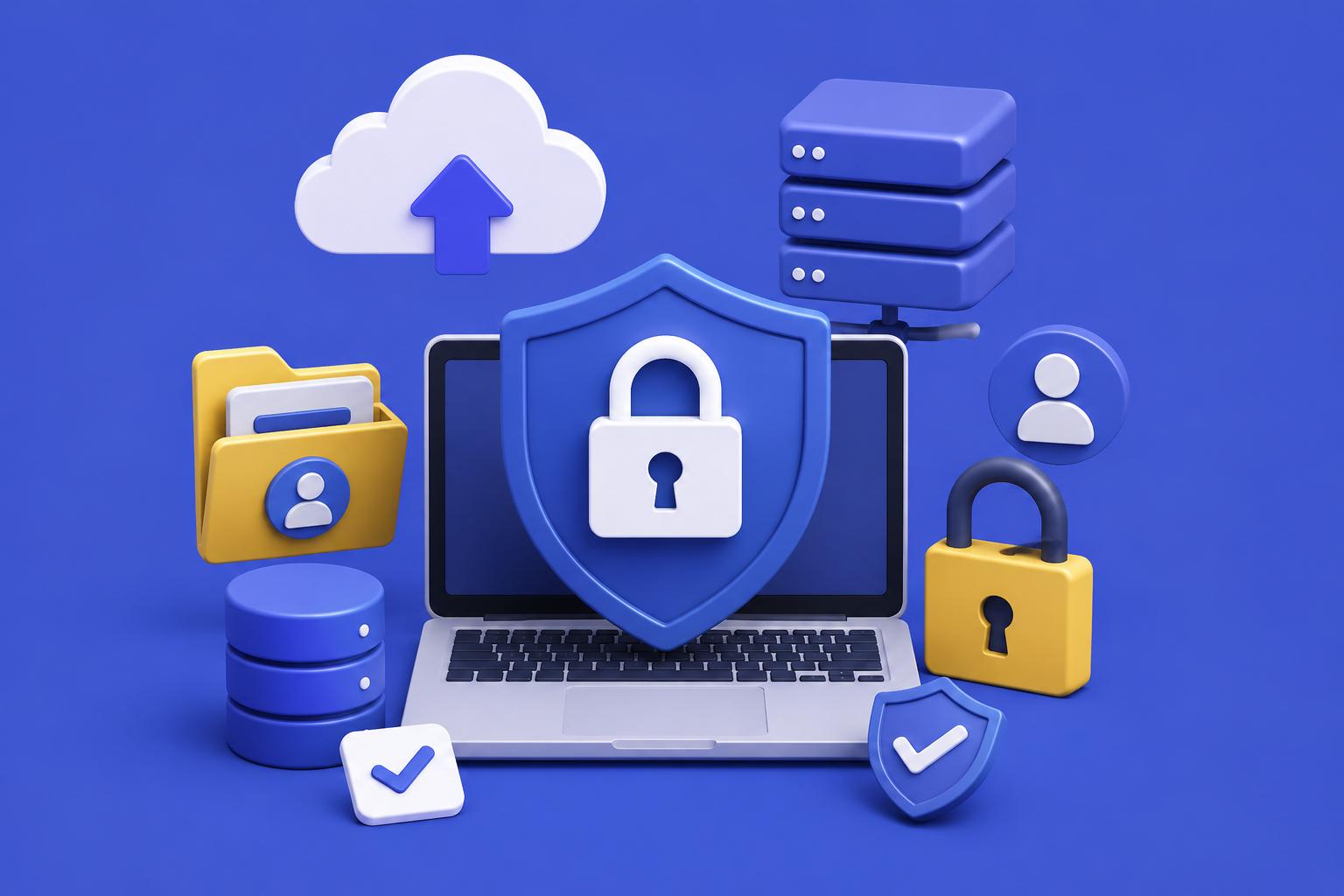
Modern Web ERP platforms typically include:
🔒 End-to-end data encryption
🛡️ Advanced firewall protection
☁️ Secure cloud infrastructure
🔄 Automated backups and disaster recovery
A poorly maintained local server can often be more vulnerable than a professionally managed cloud environment with dedicated security teams monitoring systems around the clock.
❌ Myth 2: "cybercriminals only target large enterprises"
✅ Fact
Small and medium-sized businesses are increasingly targeted by cybercriminals because they may have fewer security resources and weaker protection mechanisms.
A secure Web ERP system helps reduce these risks through:
🔑 Strong password policies
📲 Multi-factor authentication (MFA)
👤 User access controls
📋 Activity monitoring and audit logs
By implementing these security measures, organizations can significantly decrease the likelihood of unauthorized access and data breaches.
❌ Myth 3: "If the internet goes down, the data is lost"
✅ Fact
A temporary internet outage does not mean your business data disappears.
Web ERP solutions store information in secure data centers, not on the internet itself. Once connectivity is restored, users can continue working with their data as normal.
Most modern ERP providers also offer:
💾 Automatic data backups
🔄 Business continuity plans
📡 High-availability infrastructure
⚡ Redundant systems and failover protection
These safeguards ensure that critical business information remains protected and recoverable even in the event of technical disruptions.
❌ Myth 4: "Everyone in the company needs access to everything"
✅ Fact
One of the most effective security practices is limiting access based on job responsibilities.
Modern ERP systems support role-based access control, allowing businesses to assign permissions according to employee roles.
Examples include:
👨💼 Accountants access financial records
📦 Warehouse staff manage inventory data
🛒 Sales teams view customer and order information
👔 Executives receive company-wide reporting insights
This approach minimizes both accidental errors and internal security risks while ensuring employees can access only the information they need.
❌ Myth 5: "Security is entirely the ERP provider's responsibility"
✅ Fact
Data security is a shared responsibility between the ERP provider and the business using the system.
The ERP provider typically manages:
🏢 Infrastructure security
🔐 System protection and monitoring
⚙️ Software updates and security patches
Meanwhile, businesses should focus on:
👥 Employee cybersecurity training
🔑 Strong password management
📱 Enabling multi-factor authentication
📋 Establishing access and security policies
Even the most advanced ERP platform cannot fully protect an organization if users share passwords or ignore basic security practices.
🛡️ Essential security features every web ERP should have
Before selecting a Web ERP solution, ensure it includes the following security capabilities:
✅ SSL/TLS encryption for data transmission
✅ Multi-factor authentication (MFA)
✅ Automated backup and recovery systems
✅ Role-based user permissions
✅ Activity tracking and audit logs
✅ Regular security updates and patch management
✅ Compliance with data protection regulations such as GDPR
These features are no longer optional—they are fundamental requirements for modern business software.
📈 Conclusion
Data security in Web ERP systems is often misunderstood. Many concerns stem from outdated assumptions rather than current technological realities.
Today's leading Web ERP platforms are designed with multiple layers of security, advanced monitoring, encryption technologies, and robust backup systems. When combined with proper user practices and organizational policies, they can provide a higher level of protection than many traditional on-premises environments.
🔐 The real question is not where your data is stored—it is how effectively it is protected. Businesses that invest in secure Web ERP solutions and cybersecurity awareness can confidently embrace digital transformation while safeguarding their most valuable asset: their data.
👉 Sign up for free and try all the features of eFluper.