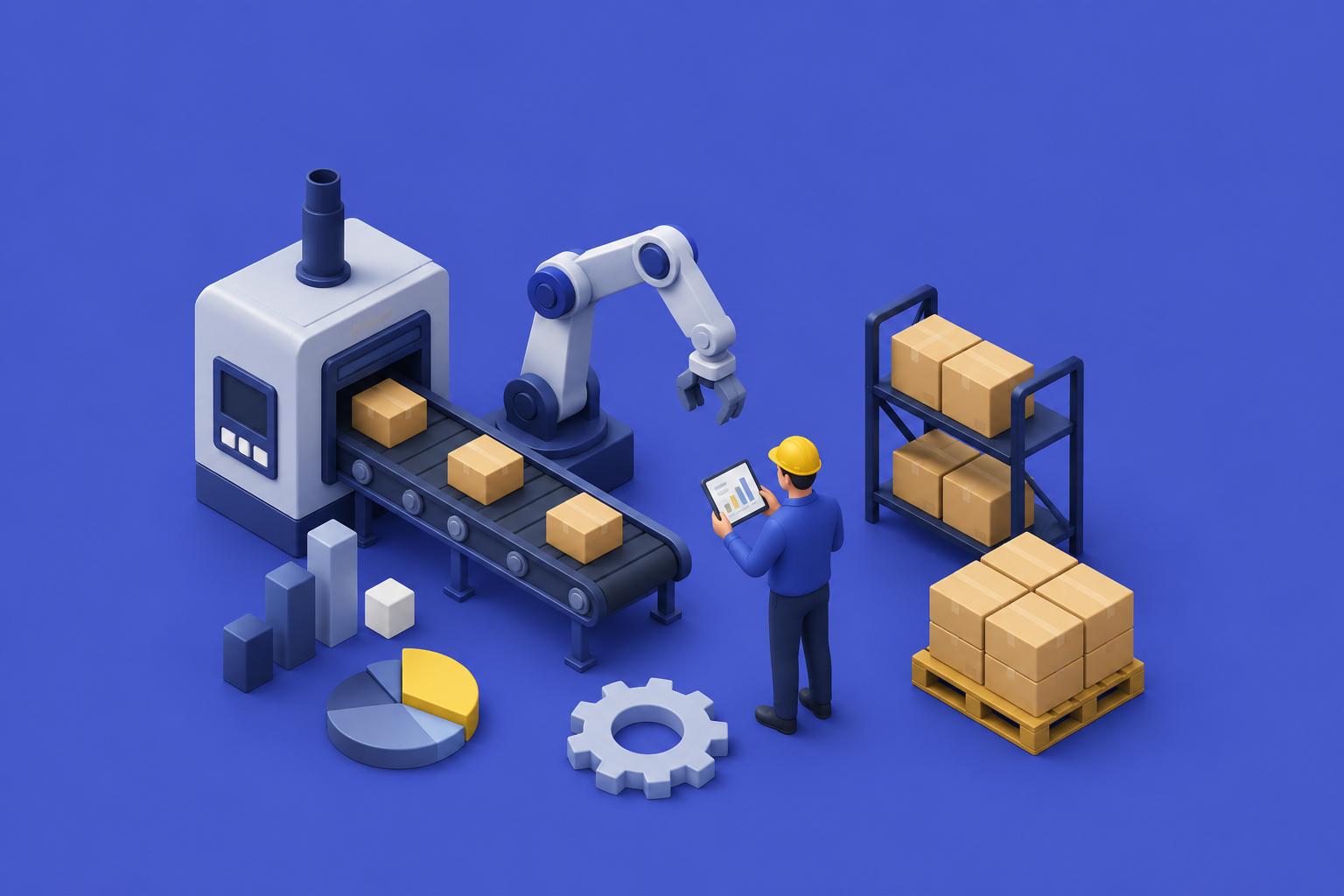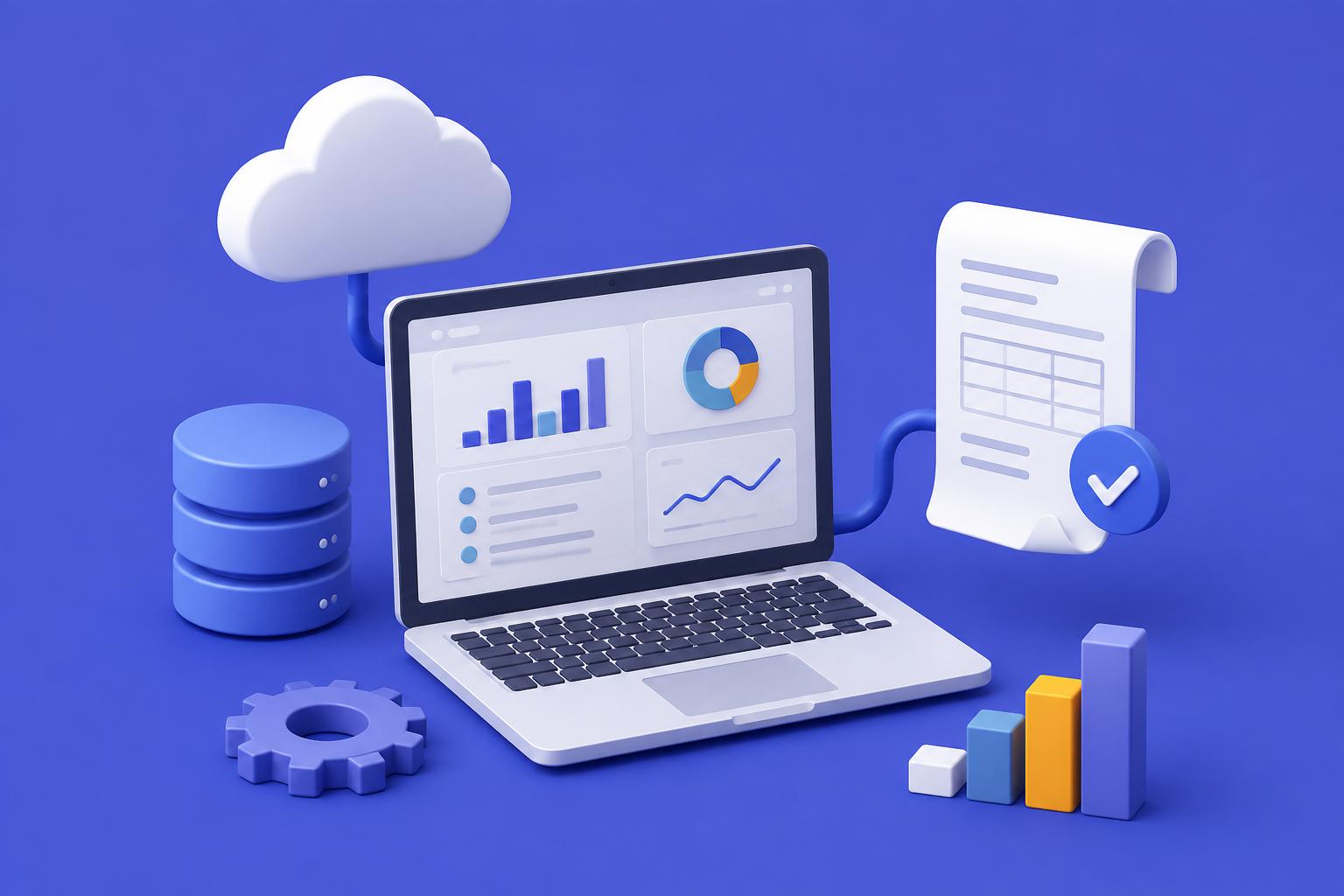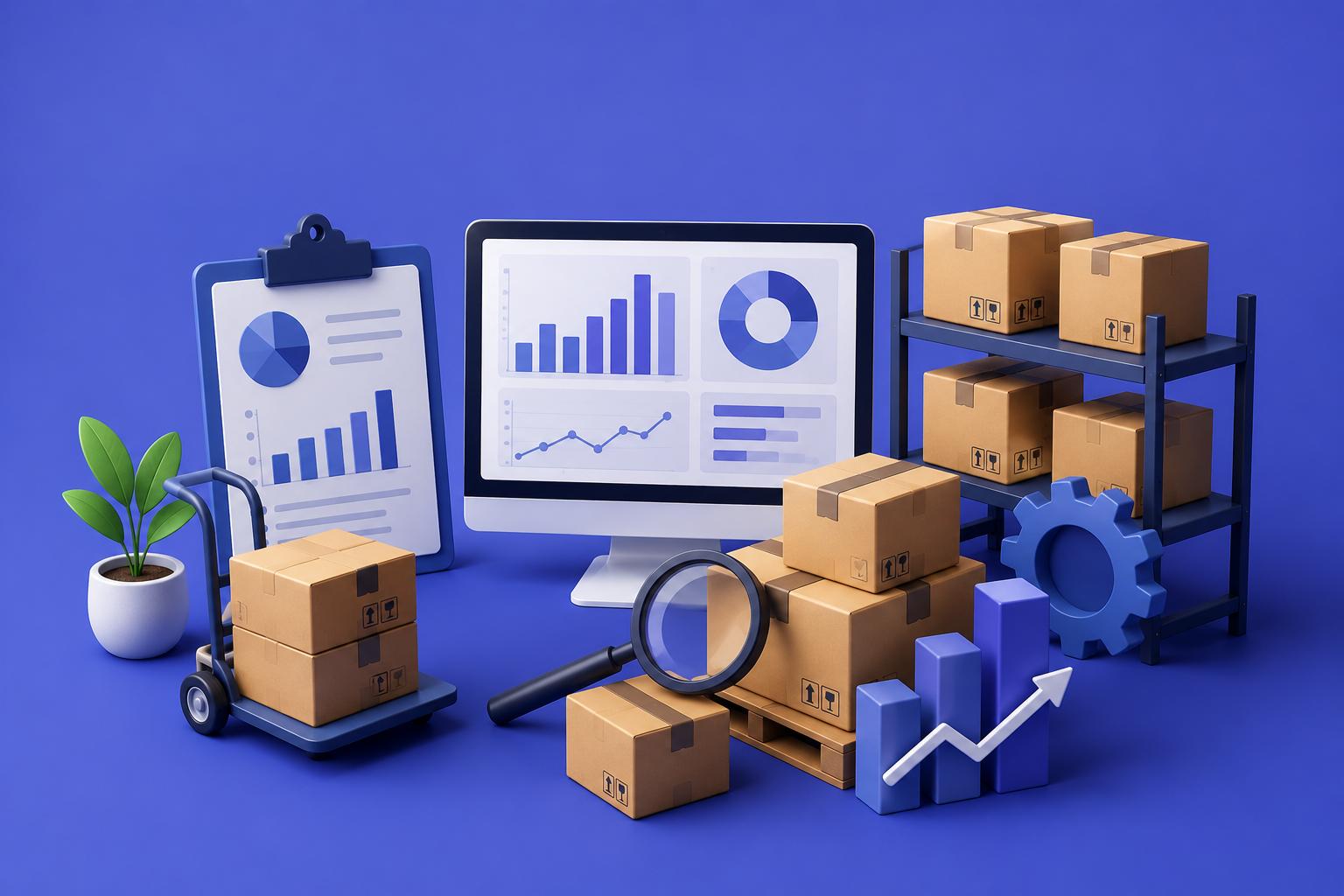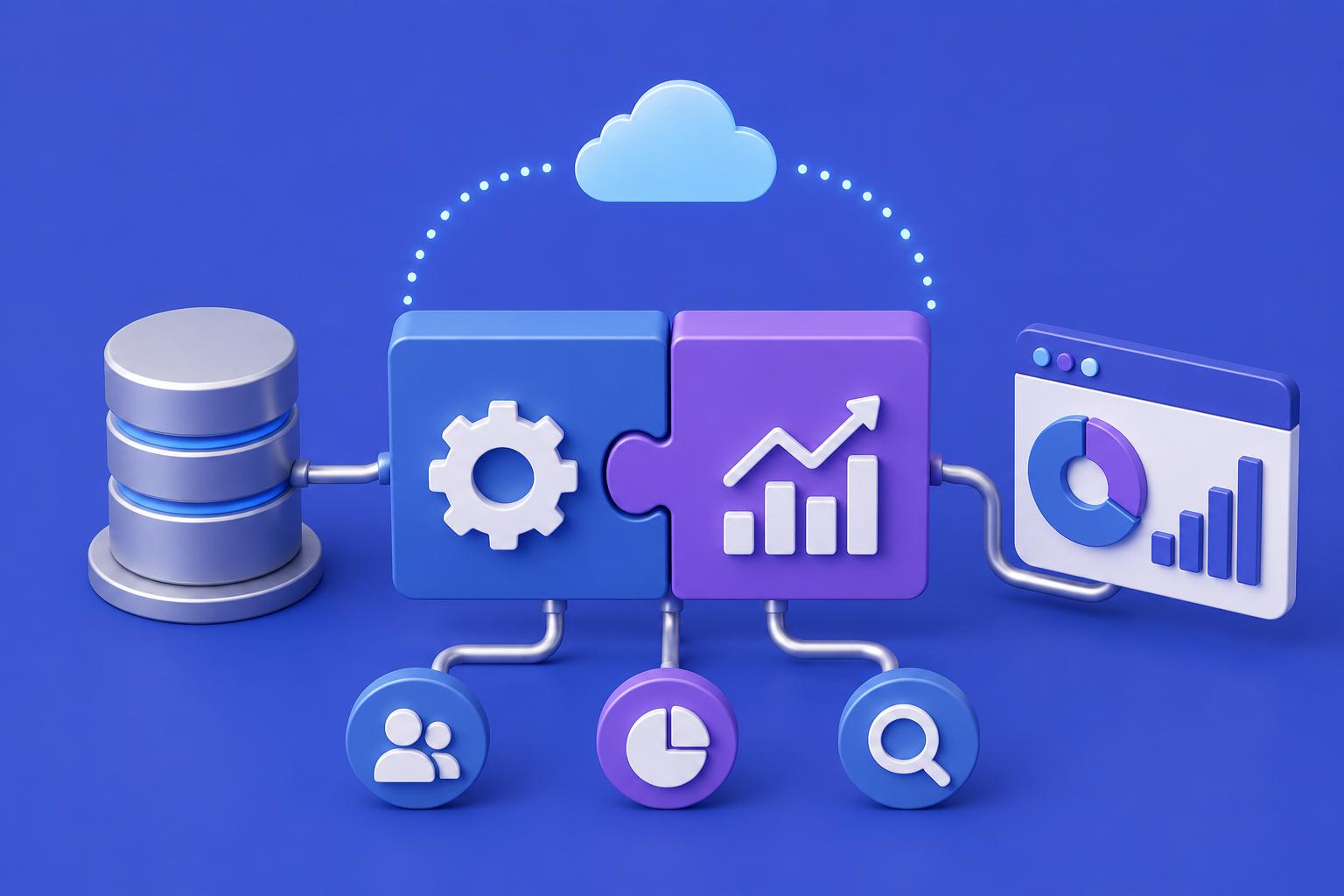
In today’s competitive business environment, data is one of the most valuable assets a company owns. However, collecting information is only the first step. The real value comes from turning that data into meaningful insights that support better decision-making. This is where Enterprise Resource Planning (ERP) and Business Intelligence (BI) work hand in hand. While they serve different purposes, together they create a powerful combination that helps businesses improve efficiency, reduce costs, and drive growth.
🏢 What is an ERP System?
An ERP (Enterprise Resource Planning) system is an integrated software solution that centralizes and manages a company's core business processes. It connects different departments through a single platform, ensuring that everyone works with the same up-to-date information.
Typical ERP modules include:
📦 Inventory and Warehouse Management
💰 Accounting and Finance
🛒 Sales and Purchasing
👥 Human Resources
🚚 Production and Supply Chain
By storing all operational data in one place, ERP systems eliminate data silos, reduce manual work, and improve collaboration across departments.
📈 What is Business Intelligence?
Business Intelligence (BI) refers to the technologies and tools used to analyze business data and transform it into actionable insights. Instead of reviewing endless spreadsheets, managers can use interactive dashboards, reports, and visualizations to monitor performance and identify trends.
Business Intelligence helps answer questions such as:
📊 Which products generate the highest revenue?
💹 How are monthly sales performing?
🎯 Who are our most profitable customers?
⚠️ Where are operational bottlenecks or unnecessary costs?
These insights enable organizations to make informed, data-driven decisions.
🤝 How ERP and BI work together
ERP systems continuously collect data from every business process. Business Intelligence tools then analyze that data and present it in a clear, easy-to-understand format.
Together, they provide:
⚡ Real-time access to accurate business data
📉 Trend analysis and forecasting
📋 Automated reports and performance dashboards
🎯 Better strategic planning
💼 Improved operational efficiency
Rather than manually gathering information from multiple systems, decision-makers gain a complete overview of the business from a single source of truth.
🚀 Key Benefits of Integrating ERP with Business Intelligence
Companies that combine ERP and BI enjoy several competitive advantages:
✅ Faster and more confident decision-making
✅ Reduced operational costs
✅ More accurate sales and financial forecasting
✅ Improved customer service
✅ Greater visibility into overall business performance
With access to real-time analytics, organizations can quickly respond to market changes and identify new opportunities for growth.
💡 Why this combination matters
Modern businesses generate enormous amounts of data every day. Without the right tools, valuable information often remains unused. ERP systems provide reliable, centralized data, while Business Intelligence transforms that data into meaningful insights that support strategic planning.
This combination allows companies to anticipate challenges, improve productivity, optimize resources, and remain competitive in an increasingly data-driven marketplace.
📝 Conclusion
ERP and Business Intelligence are not competing technologies—they are complementary solutions that deliver maximum value when used together. ERP systems organize and manage business operations, while BI converts operational data into strategic insights. Together, they empower organizations to make smarter decisions, improve efficiency, and achieve sustainable business growth. Investing in both technologies enables companies to stay agile, increase profitability, and build a stronger foundation for long-term success.
👉 Sign up for free and try all the features of eFluper.