⚙️ ERP vs CRM: What’s the difference and when do you need both
In the world of modern businesses, the acronyms ERP and CRM are heard all the time. Many confuse them, others think one replaces the other, but in reality, they serve different — yet complementary — purposes. To make the right decisions, a business must first clearly understand what each does and when it makes sense for them to coexist.
📌 What is ERP?
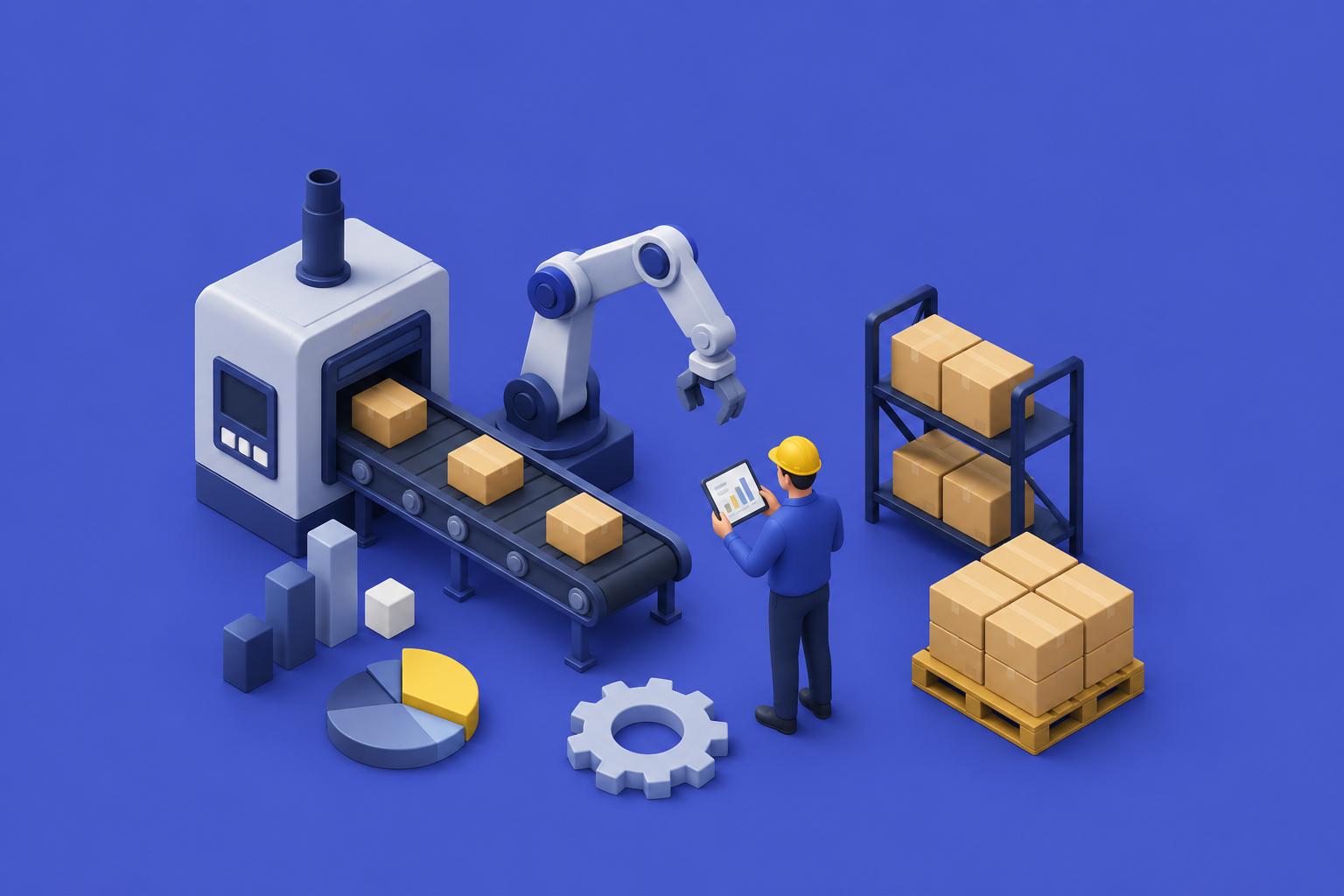
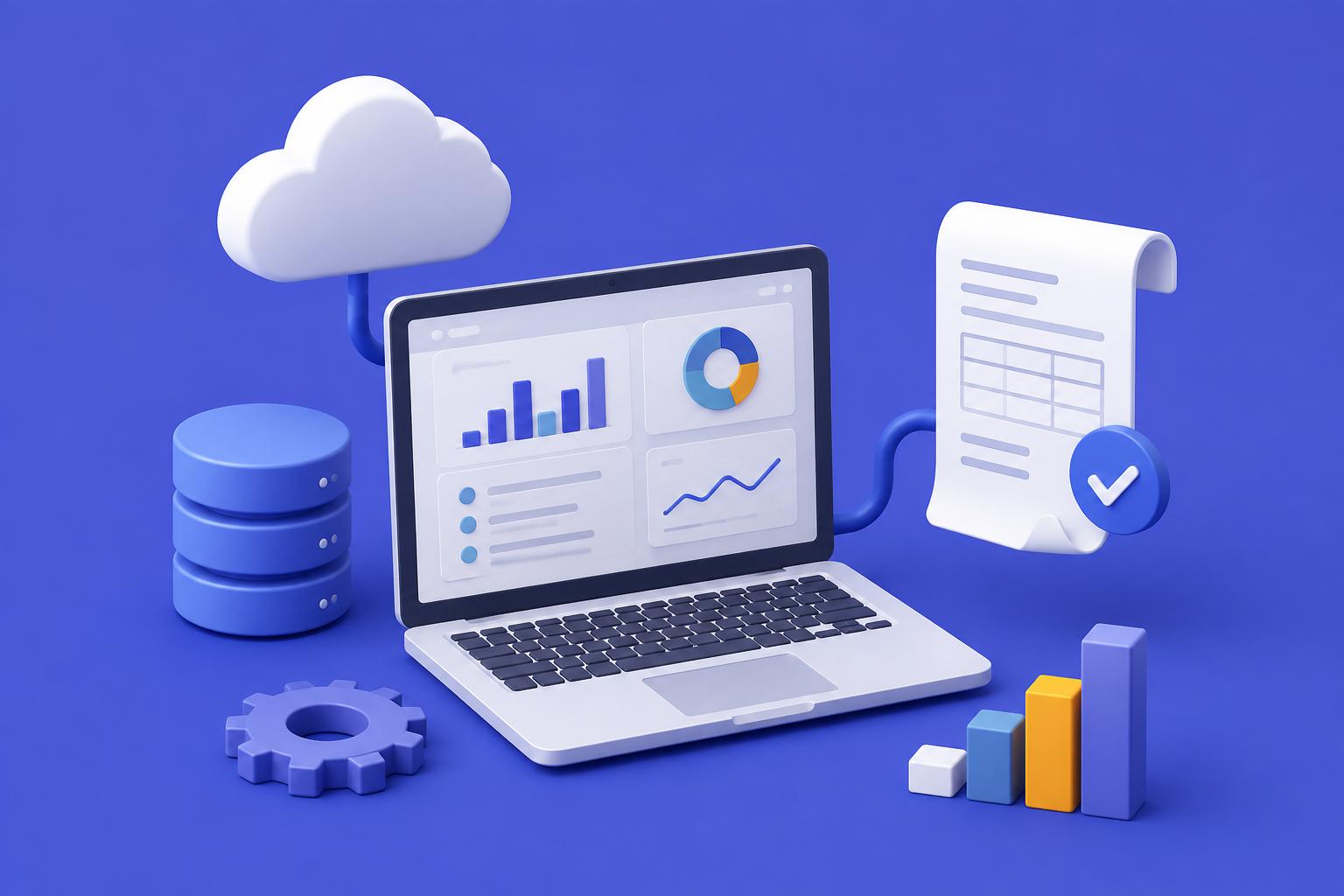
ERP (Enterprise Resource Planning) is a comprehensive system for managing a business’s internal operations. Its goal is to consolidate all key business data and processes into a single environment.
An ERP typically covers:
💰 Invoicing and financial management
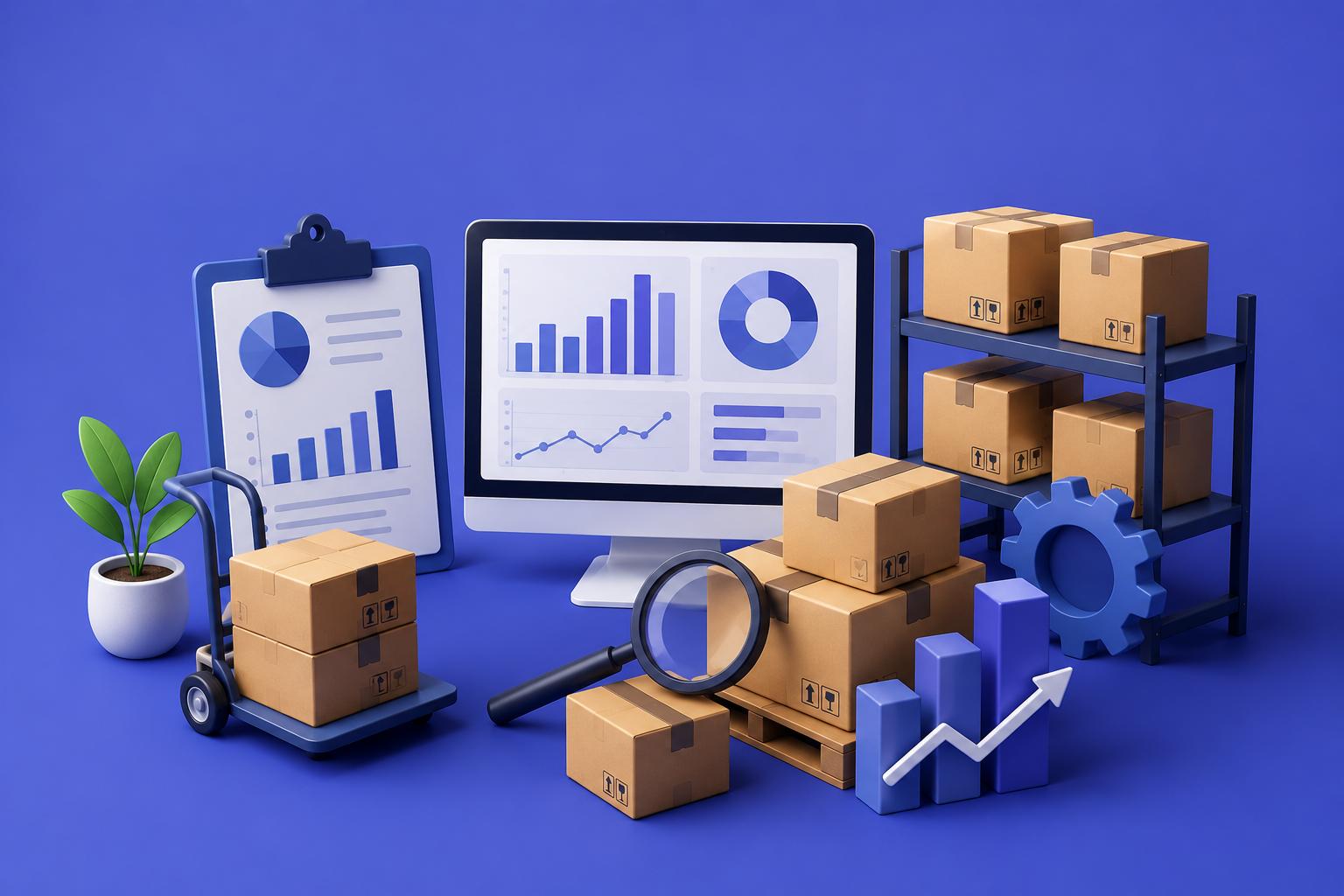
🏬 Warehousing and inventory
🛒 Procurement and purchasing
📋 Projects and internal workflows
📊 Reports and analytics
In simple terms, ERP answers the question:
“How does the business operate internally?”
📌 What is CRM?
CRM (Customer Relationship Management) focuses on customer relationships. It manages all data and interactions a business has with its customers or prospects.
A CRM usually includes:
🧑💼 Customer and contact information
📝 Communication history
💵 Sales and quotes
🎯 Leads and pipeline
⏰ Reminders and follow-ups
CRM answers the question:
“Who is the customer and how do they interact with the business?”
🔄 Key difference between ERP and CRM
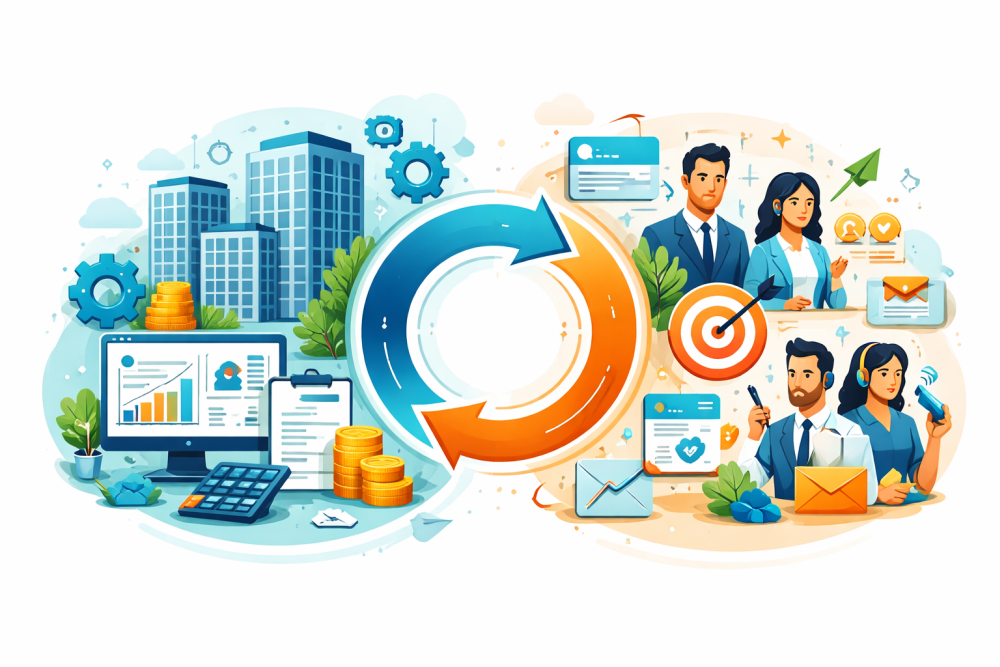
⚙️ ERP = Internal organization
🤝 CRM = External relationships
ERP looks inward: processes, resources, operations.
CRM looks outward: customers, sales, communication.
Neither is “better.” They are different tools for different problems.
📍 When is only a CRM enough?
A CRM is sufficient when:
👶 The business is small or in its early stages
The main issue is organizing customers and sales
There are no complex internal processes
Invoicing is simple or handled by third-party tools
For example, a sales team or agency can work comfortably with only a CRM if it can manage communications and deals efficiently.
📌 When do you need ERP?
An ERP becomes essential when:
📈 The volume of invoices and documents increases
🏬 There are warehouses, stock, or procurement processes
📊 Processes can no longer be managed in Excel
🤝 Different departments need to collaborate on the same data
As a business grows, internal organization becomes critical. ERP stops being a luxury and becomes a survival tool.
📌 When do you need both ERP and CRM?
The real power appears when the two systems work together.
You need both ERP and CRM when:
💵 Sales directly affect invoicing and inventory
👥 You want a complete view of the customer (communication + financials)
🏢 Sales and accounting teams need to work in coordination
📊 You want reports connecting sales to actual revenue
In this case, CRM brings in the customer, and ERP ensures the promise to the customer is fulfilled.
🤔 Why is there so much confusion?
Many modern systems:
🖥️ Add CRM functions inside an ERP
💻 Add simple invoicing inside a CRM
This does not mean they fully replace each other. Usually, these are basic functions, not comprehensive coverage.
📝 What should you choose?
The right question is not “ERP or CRM?” but:
❓ What is the biggest problem in your business today?
⏳ Where is time or information being lost?
📂 Which data is not centralized?
For many businesses, the ideal solution is a web-based ERP with CRM capabilities, so everything exists in a single environment without fragmented tools.
✅ Conclusion
⚙️ ERP and CRM do not compete — they complement each other.
🤝 CRM helps you acquire and retain customers.
🏢 ERP helps you operate efficiently as you grow.
The right choice — or combination — can make the difference between a business that just works and one that grows with control and consistency.
👉 Sign up for free and try all the features of eFluper.